How Horses Are Trained to Sprint and Endure
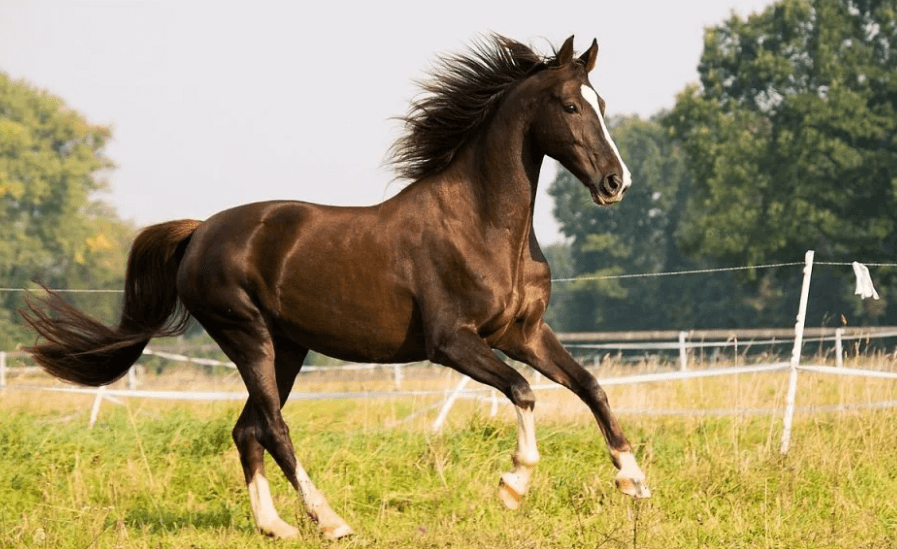
Horses undergo a systematic training process to enhance both their sprinting and endurance capabilities. This begins with foundational groundwork and basic commands to ensure responsiveness. Sprint training employs specific techniques such as speed drills, while endurance is built through longer, interval-based workouts. Understanding these methods reveals the complexity of equine training. What factors influence the effectiveness of these strategies in different horses’ performance?
The Foundation: Groundwork and Basic Training
Groundwork and basic training serve as the essential foundation for a horse’s education, influencing its behavior and responsiveness throughout its life.
Groundwork essentials establish trust and communication, while basic obedience ensures the horse understands commands.
This foundational training fosters a sense of freedom for both horse and rider, allowing for a harmonious partnership that is crucial for advanced training and performance.
See also: How Horses Are Selected for Major Races
Specialized Techniques for Sprint Training
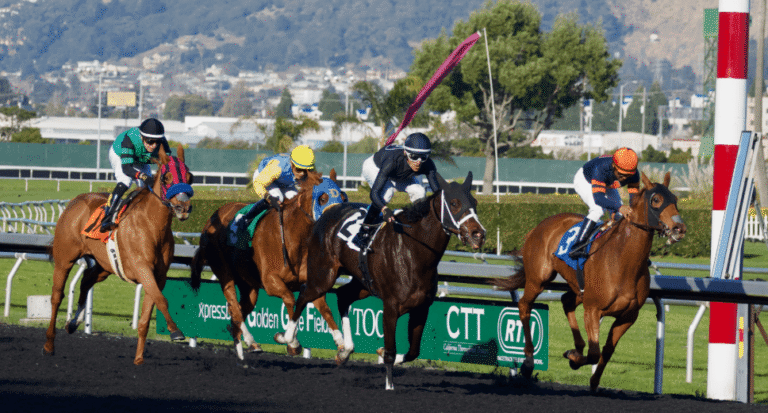
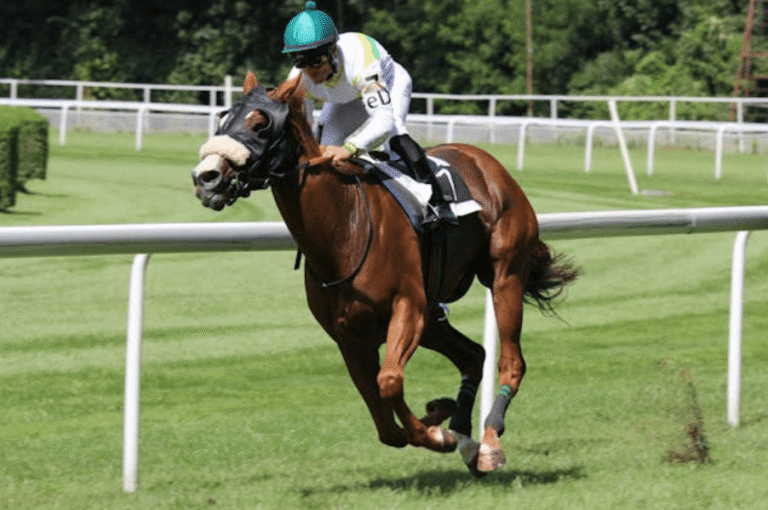
After establishing a solid groundwork and basic training, a horse is better prepared to engage in more specialized training techniques, particularly those aimed at enhancing sprinting capabilities.
Sprint intervals and speed drills are essential components of this phase. These methods focus on increasing the horse’s explosive power and acceleration, ultimately refining its ability to perform at maximum speed over short distances.
Building Endurance: Long-Distance Conditioning Strategies
To effectively build endurance in horses, a structured approach to long-distance conditioning is essential.
Interval training serves as a cornerstone, gradually increasing intensity and duration to optimize stamina.
Regular stamina assessments ensure that progress is monitored, allowing trainers to adjust regimens based on individual capabilities.
This methodical strategy fosters resilience, enabling horses to perform optimally over extended distances while promoting overall fitness and well-being.
Conclusion
In conclusion, while some may argue that sprinting and endurance training are mutually exclusive, a comprehensive approach demonstrates their interdependence in equine performance. Groundwork and specialized techniques not only enhance a horse’s speed but also contribute to its overall stamina. By integrating sprint intervals with endurance conditioning, trainers cultivate well-rounded athletes capable of excelling in diverse competitive environments. This holistic training regimen ensures that horses are not only fast but also resilient, ready to meet the demands of both sprinting and long-distance events.